The Ultimate Packing Guide for Moving
29 May 24
Ever feel like moving is a never-ending nightmare? I once spent hours searching through unlabeled boxes just to find a toothbrush. Moving can be overwhelming, but with the right approach, it doesn’t have to be. This guide will provide step-by-step instructions on packing your belongings efficiently and safely for a stress-free move.
Start Early
Starting early is crucial for a smooth move. By beginning the packing process well in advance, you can avoid the stress and chaos of last-minute packing. Create a personalised packing timeline to break down tasks into manageable steps. Gradually packing and decluttering as you go can make the entire process more manageable and reduce stress.
Set a Packing Schedule
Allocate specific days for packing different rooms or categories of items.
Declutter First
Start by sorting through your belongings and deciding what to keep, donate, or discard. This will reduce the amount of stuff you need to pack.
Pack Non-Essentials First
Begin with items you don’t use daily, such as seasonal decorations, books, and out-of-season clothing.
Take Your Time
Packing slowly allows you to be more organized and thorough, reducing the risk of damage to your belongings.
Avoid Procrastination
Starting early means you won’t have to rush, leading to a less stressful moving experience.
Gather Supplies
Before you start packing, gather all the necessary supplies. You’ll need boxes, tape, bubble wrap, markers, and more. Look for free or low-cost packing materials from local stores, freecycle groups, or online marketplaces.
Essential Supplies
- Sturdy boxes in various sizes
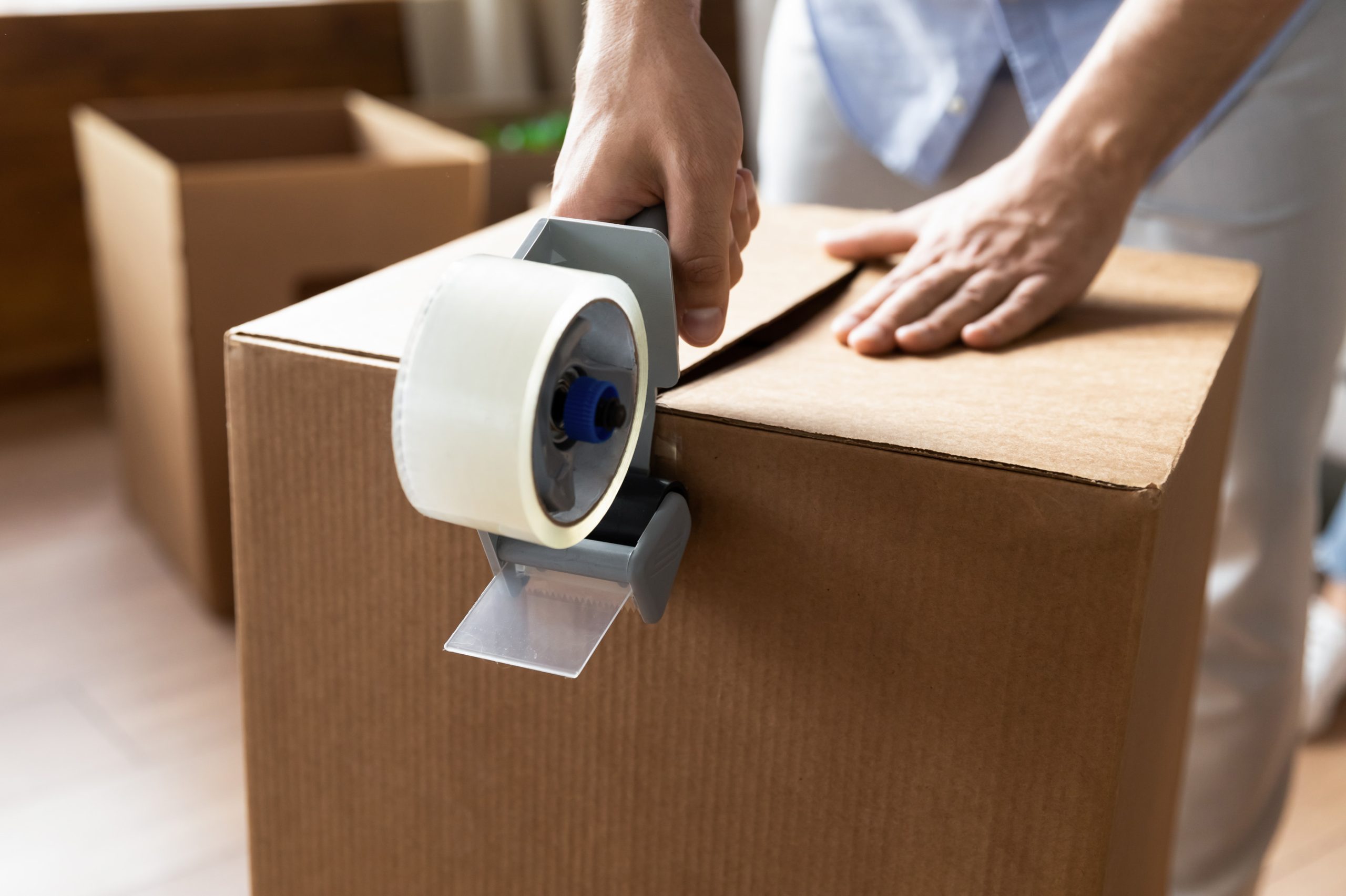
- Packing tape and dispenser
- Bubble wrap and packing paper
- Permanent markers for labeling
- Furniture blankets and moving pads
Additional Materials
- Ziplock bags for small parts
- Labels or colour-coded stickers
- Scissors and box cutters
Pro Tip: Create a designated packing station with all supplies readily available for easy access. This can be a corner of a room where you keep all your packing materials organized and within reach.
Declutter and Breathe Easy
Sorting and decluttering before packing can significantly streamline your move. Use the “one-year rule” to decide what to keep, donate, or discard. Decluttering not only makes moving easier but also helps create a more organised living space, reducing stress and improving mental clarity. Additionally, it can lower moving costs by reducing the volume of items to be transported and make unpacking more manageable in your new home. This process also provides an opportunity to refresh your living space and start anew with only the items you truly need and cherish.
Room-by-Room Strategy
Packing one room at a time keeps the process organised and less overwhelming. Clearly label boxes with room names and contents to simplify unpacking. This ensures that each box is placed in the correct room, making it easier to locate items and settle into your new home efficiently.
Pro Tip: Pack an essentials box for each room with items you’ll need immediately upon arrival, like toiletries, medications, and a change of clothes.
Packing Fragiles
Packing fragile items requires extra care. Use bubble wrap for glassware, packing peanuts for electronics, and other appropriate padding materials. Label fragile boxes clearly and indicate which side is up with arrows to prevent damage during transit.
Disassembling Furniture
Safely disassemble large furniture pieces to save space and make them easier to move. Breaking down items like bed frames, tables, and shelves can significantly reduce the bulk and make transportation more efficient. This approach not only simplifies the moving process but also helps prevent damage to your furniture and your home during the move. Disassembled pieces are easier to maneuver through doorways, down stairs, and around tight corners, minimizing the risk of scratches, dents, or other damage. By taking the time to properly disassemble your larger items, you ensure a smoother and more organized move.
- Follow Instructions: Always refer to the manufacturer’s instructions or look up guidelines for disassembling specific furniture items to avoid damage.
- Organize Parts: Keep screws, bolts, and small parts in labeled bags, and tape them to the corresponding furniture pieces.
- Use Proper Tools: Ensure you have the necessary tools like screwdrivers, wrenches, and Allen keys to disassemble your furniture safely.
- Take Photos: Photograph each step of the disassembly process to make reassembly easier in your new home.
- Wrap and Protect: Use blankets, bubble wrap, or furniture pads to wrap and protect disassembled parts from scratches and other damage during the move.
Pro Tip: Keep screws and small parts in labelled bags and attach them directly to the corresponding furniture pieces to avoid losing them.
Maximising Box Space
Efficiently use box space by rolling clothes, nesting items, and keeping boxes under a certain weight for easier handling. This approach not only optimises the available space but also prevents boxes from becoming too heavy and difficult to move, reducing the risk of injury and damage.
Pro Tip: Use linens and towels as padding for fragile items and to fill empty spaces, maximising box space and protecting your belongings.
Labelling and Inventory
Clear labeling and a detailed inventory list are essential for an organised move. Proper labeling ensures that you and your movers know exactly where each box should go, reducing confusion and making the unpacking process more efficient. Using a color-coded system for different rooms or categories can further streamline the process, allowing you to quickly identify and prioritize boxes upon arrival.
Pro Tip: Number your boxes and keep a master list with descriptions of contents to track everything efficiently.
Be Prepared
Prepare for moving day by double-checking packed items and ensuring pathways are clear. Coordinate with movers or friends helping with the move by setting clear expectations and maintaining good communication. Keep important documents and valuables with you, not in moving boxes, to ensure their safety.
Settling In
Unpack efficiently by starting with essential rooms like the kitchen and bedrooms. This approach will quickly make your new place livable. Use the inventory list to check off boxes and track your progress, making the unpacking process smoother and faster.
By following these steps, you can make the most of your storage unit space, ensuring it remains organised and efficient. Remember, a well-organized storage unit saves you time, money, and stress. Share your own storage unit organisation tips in the comments below and help others maximise their space too!